

In a world where connectivity underpins almost everything we do, having a reliable network isn’t just convenient—it’s essential. Whether you’re working from home, running a growing business, or managing a smart household, the performance of your internet connection plays a direct role in your day-to-day productivity and comfort.
While many people rely heavily on Wi-Fi, there’s a growing shift back towards structured cabling—and for good reason. A professionally designed data network, anchored by well-placed data points, provides a level of stability and performance that wireless simply can’t match.
What Is a Data Point and Why Does It Matter?
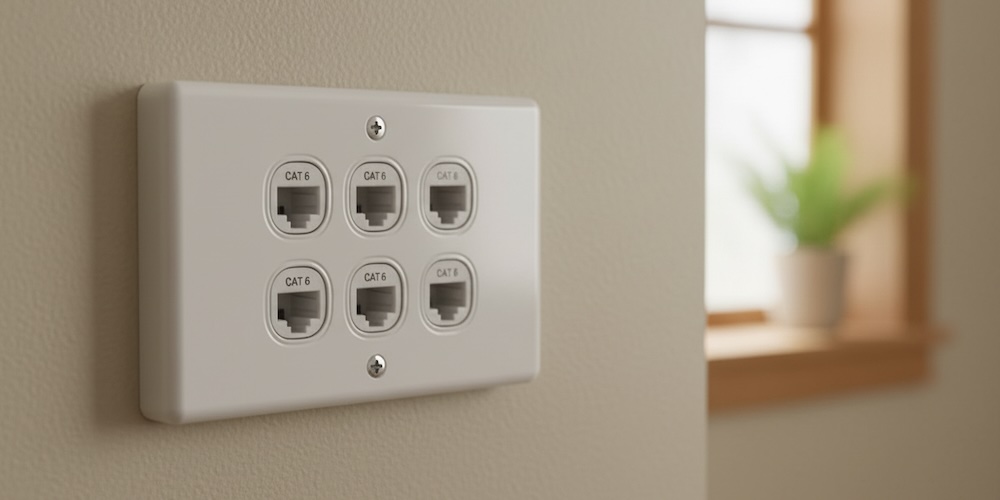
A data point is a fixed outlet that connects your devices to your network through structured cabling, typically using Ethernet. It acts as a direct line between your device and your modem or network switch.
This direct connection offers several key advantages:
- Consistent speeds without interference
- Lower latency, which is crucial for video calls and gaming
- Greater security compared to wireless networks
For households with multiple users or businesses relying on constant connectivity, these benefits quickly become noticeable.
If your current setup struggles to keep up, investing in professional data point installation can transform how your space functions.
The Limitations of Wi-Fi in Modern Environments
Wi-Fi has come a long way, but it still has inherent limitations—particularly in larger homes or commercial buildings.
Common issues include:
- Signal dropouts in certain areas
- Slower speeds during peak usage
- Interference from walls, appliances, and neighbouring networks
In Perth homes with double brick construction, these challenges are even more pronounced. This is where a hybrid approach—combining Wi-Fi with wired data points—delivers the best results.
Designing a Future-Proof Network
One of the biggest advantages of installing data points is the ability to future-proof your property.
Technology is evolving rapidly, and the number of connected devices in homes and businesses continues to grow. Planning your network with this in mind ensures you won’t need to retrofit or upgrade prematurely.
Key considerations include:
- Installing more data points than you currently need
- Allowing for dedicated lines for high-demand devices
- Positioning outlets in practical, accessible locations
For new builds and renovations, this planning stage is particularly important. It allows cabling to be installed neatly within walls, maintaining both functionality and aesthetics.
Residential Benefits: More Than Just Faster Internet
For homeowners, data point installation isn’t just about speed—it’s about reliability and convenience.
A well-designed system supports:
- Seamless streaming without buffering
- Stable connections for remote work or study
- Smart home systems such as lighting, security, and automation
Many new homeowners underestimate how quickly their connectivity needs will grow. From smart TVs to home offices, having a structured network in place provides flexibility as your lifestyle evolves.
Commercial Applications: Supporting Business Performance
In commercial settings, connectivity issues can quickly translate into lost productivity or frustrated customers.
Businesses rely on stable networks for:
- Point-of-sale systems
- Cloud-based software
- Communication platforms
- Security systems and surveillance
Working alongside a commercial electrician Perth provider ensures your electrical and data systems are aligned, creating a cohesive and efficient infrastructure.
Compliance and Professional Installation
Data cabling isn’t just about running cables from point A to point B. It must comply with Australian Standards to ensure safety, performance, and longevity.
A licensed professional will:
- Select the appropriate cable type (such as Cat6 or higher)
- Route cabling safely through walls and ceilings
- Avoid interference from electrical wiring
- Test each connection to confirm performance
This level of detail is what separates a reliable network from one that constantly causes frustration.
Upgrading an Existing Property
If your current network isn’t performing as expected, you’re not alone. Many older homes and buildings were not designed with modern connectivity in mind.
Signs it may be time to upgrade include:
- Frequent buffering or slow speeds
- Dead zones where Wi-Fi doesn’t reach
- Overloaded networks with multiple users
Retrofitting data points can significantly improve performance, often without major disruption to your property.
A Practical Investment in Everyday Living
When you consider how much of daily life relies on connectivity, data point installation becomes less of a luxury and more of a practical investment.
It supports productivity, improves entertainment experiences, and ensures your property is equipped to handle future demands.
FAQs
How long does data point installation take?
Most installations can be completed within a day, depending on the size of the property and complexity of the setup.
Can I install data points in an existing home?
Yes, data cabling can be retrofitted with minimal disruption when handled by a professional.
What type of cable should I use?
Cat6 is commonly recommended for modern installations due to its performance and reliability.
Do I still need Wi-Fi if I have data points?
Yes, Wi-Fi is still useful for mobile devices, but data points provide a stronger, more stable connection for fixed devices.